
Description
With approximately 60% sativa genetics, this feminized strain combines energetic characteristics with a rich terpene profile dominated by tangerine, sweet citrus, tropical fruit and subtle floral notes.
Its combination of up to 26% THC, approximately 60–65 days of flowering and yields reaching around 600 g/m² makes Tangerine an attractive choice for collectors interested in fruity, high-potency cannabis genetics.
Tangerine Strain Characteristics
Type: Feminized cannabis seeds
Genetic Profile: Approximately 60% Sativa / 40% Indica
Genetic Heritage: Sativa-dominant, Haze-influenced genetics
THC: Up to approximately 26%
Indoor Flowering: Approximately 60–65 days
Outdoor Harvest: Late October
Height: Medium
Indoor Yield: Up to approximately 600 g/m² under optimal conditions
Aroma: Tangerine, citrus, sweet fruit and floral notes
Flavor: Sweet citrus, tropical fruit and spice
Effect Profile: Uplifting, energetic and euphoric
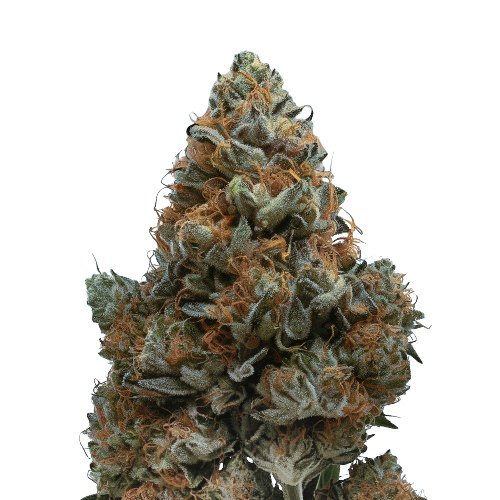
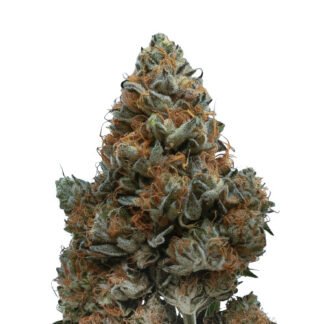
Flowers: Dense, resinous and highly aromatic
Tangerine Genetics and Origins
Tangerine is a sativa-dominant hybrid associated with genetics from the wider Haze family.
Exact lineage can vary according to the breeder or individual selection, but Tangerine is generally recognized for combining pronounced sativa characteristics with a distinctive citrus-heavy aromatic profile.
Its approximately 60% sativa dominance contributes to vigorous development and a cerebral character, while the remaining indica influence helps maintain a more balanced overall structure.
Tangerine Aroma and Flavor
The terpene profile is one of the defining characteristics of Tangerine.
As the name suggests, the strain develops an intense citrus aroma strongly reminiscent of fresh tangerines and sweet orange peel.
Depending on the phenotype, its aromatic profile may include:
- Tangerine
- Sweet orange
- Lemon and citrus
- Tropical fruit
- Floral notes
- Herbs
- Subtle spices
- Sweet undertones
The flavor follows the same direction, delivering a sweet and tangy citrus character with tropical fruit and light spicy nuances.
For enthusiasts of fruit-forward cannabis genetics, Tangerine offers one of the most recognizable citrus profiles.
Tangerine THC Content
Tangerine can reach approximately 26% THC, making it a high-potency cannabis variety.
Actual cannabinoid levels vary according to phenotype and environmental conditions, but its potential THC concentration places it above many classic sativa hybrids.
This combination of high THC and pronounced terpene expression contributes to Tangerine’s strong reputation among enthusiasts of modern fruity genetics.
Tangerine Effects
Tangerine is generally associated with an uplifting and energetic cerebral profile.
Its sativa influence is commonly described as euphoric, stimulating and mentally engaging, with a lighter physical component than heavily indica-dominant strains.
These characteristics have contributed to its reputation as a lively and expressive sativa hybrid.
Individual effects vary considerably according to tolerance, phenotype and cannabinoid profile.
Tangerine Flowering Time
Despite its substantial sativa influence, Tangerine has a relatively manageable flowering period.
Indoor flowering generally takes approximately 60–65 days.
In suitable Northern Hemisphere outdoor conditions, harvest typically occurs around late October.
This relatively moderate flowering period makes Tangerine faster than many traditional long-flowering sativa lines.
Tangerine Plant Structure
Tangerine generally develops a medium-sized, vigorous plant structure.
Flowers tend to be dense and resinous, frequently displaying bright orange pistils that complement the strain’s citrus-inspired name.
Its sativa influence may encourage some vertical development, while its hybrid background helps maintain a more manageable overall size than many pure sativa varieties.
Tangerine Yield
Tangerine combines strong aromatic characteristics with impressive production potential.
Under optimal indoor conditions, yields can reach approximately 600 g/m².
Actual production varies according to phenotype and environmental conditions, but the strain is generally regarded as a high-yielding sativa-dominant hybrid.
Why Choose Tangerine Seeds?
Tangerine Feminized Seeds stand out for their combination of high potency, generous production and an unmistakable citrus profile.
With approximately 60% sativa genetics, up to 26% THC, 60–65 days of flowering and yields potentially reaching 600 g/m², Tangerine offers a particularly attractive overall specification.
Its strongest distinguishing feature remains its terpene profile, where fresh tangerine, sweet citrus and tropical fruit notes dominate.
For collectors looking for highly aromatic sativa-dominant genetics with an unmistakably fruity identity, Tangerine is a compelling choice.
Tangerine Seeds FAQ
What is the Tangerine strain?
Tangerine is a sativa-dominant hybrid cannabis strain known for its strong citrus aroma, fruity flavor and energetic character.
Is Tangerine indica or sativa?
Tangerine is approximately 60% sativa and 40% indica, making it a sativa-dominant hybrid.
Are Tangerine seeds feminized?
Yes, this version is offered as Tangerine Feminized Seeds, bred to produce predominantly female plants.
What are the genetics of Tangerine?
The exact genetic lineage can vary according to the breeder, but Tangerine is generally associated with sativa-dominant and Haze-influenced genetics.
How much THC does Tangerine contain?
Tangerine can reach approximately 26% THC, although actual levels vary depending on phenotype and environmental conditions.
What does Tangerine smell like?
Tangerine is known for an intense sweet citrus aroma, especially notes of tangerine and orange, accompanied by tropical fruit, floral and spicy undertones.
What does Tangerine taste like?
Its flavor is generally sweet, tangy and citrus-forward, with additional tropical fruit and subtle spicy notes.
How long does Tangerine take to flower?
Indoor flowering generally takes approximately 60–65 days.
When is Tangerine harvested outdoors?
Under suitable Northern Hemisphere conditions, Tangerine is generally harvested around late October.
How tall does Tangerine grow?
Tangerine typically develops a medium-sized structure, although final height varies according to phenotype and environment.
What is the yield of Tangerine?
Under optimal indoor conditions, Tangerine can produce approximately 600 g/m².
What are the effects of Tangerine?
Tangerine is generally associated with uplifting, energetic, euphoric and cerebral characteristics. Individual experiences vary according to tolerance and phenotype.
What makes Tangerine special?
Tangerine stands out for its 26% THC potential, 60% sativa profile, strong yields and intensely citrus-driven terpene profile dominated by tangerine, orange and tropical fruit notes.
Reviews
There are no reviews yet.