
Description
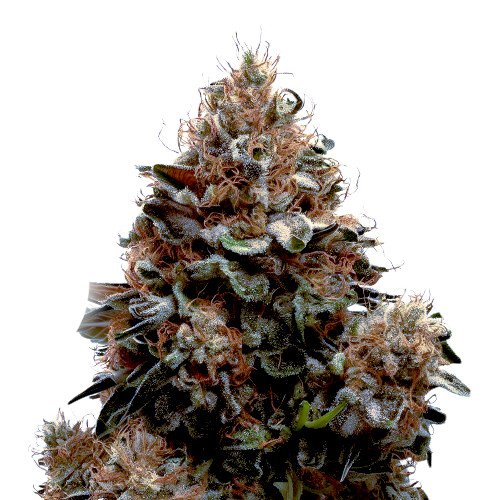
Chocolate is a predominantly sativa cannabis strain renowned for its distinctive combination of sweet chocolate, roasted coffee and earthy aromas. With a genetic profile heavily influenced by classic sativa lines and a THC content of around 20%, Chocolate stands out for its intense aromatic personality and stimulating character.
This strain is particularly appreciated by enthusiasts of old-school sativa genetics who are looking for something different from the fruity and candy-style varieties that dominate many modern catalogs. Its rich cocoa profile, long-lasting cerebral character and elegant plant structure make Chocolate seeds an interesting choice for collectors searching for unusual cannabis genetics.
Chocolate Origins and Genetics
Chocolate is generally associated with classic Thai and Haze-influenced genetics. Its ancestry combines the earthy, exotic and cocoa-like characteristics traditionally associated with certain Thai sativas with the vigorous growth and stimulating character of Haze genetics.
The result is an extremely sativa-dominant hybrid, often described as approximately 95% sativa. This strong sativa influence can be seen in both the structure of the plant and its characteristic cerebral effects.
Chocolate develops differently from compact indica varieties. Expect vigorous vertical growth, longer branches and elongated flowers characteristic of tropical and Haze-influenced cannabis genetics.
Chocolate Cannabis Characteristics
Chocolate cannabis plants typically display vigorous sativa growth with considerable stretching. The plants can become tall when sufficient space is available, particularly outdoors in favorable climates.
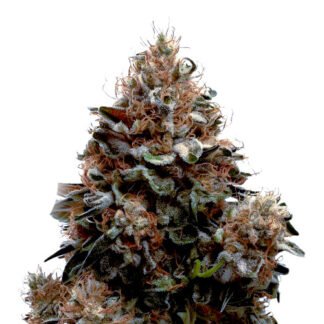
The flowers tend to develop an elongated structure rather than the extremely compact appearance associated with heavy indica varieties. As flowering progresses, the buds become increasingly covered with resinous trichomes and develop the characteristic earthy, chocolate and coffee aromas for which the strain is known.
Chocolate Flowering Time
Despite its strong sativa dominance, Chocolate has a relatively manageable flowering period. Depending on the phenotype and growing conditions, Chocolate flowering time is approximately 60–70 days.
Individual plants can mature slightly earlier or later, particularly when grown outdoors. As with all cannabis genetics, flowering times should therefore be considered approximate rather than guaranteed.
Chocolate Aroma
The distinctive aroma is one of the main attractions of the Chocolate strain. Its terpene profile combines sweet and earthy characteristics with recognizable notes reminiscent of dark chocolate and freshly roasted coffee.
These deeper aromas can be accompanied by subtle spicy, woody and occasionally fruity nuances inherited from its sativa ancestry. Some phenotypes may also reveal sweeter undertones reminiscent of vanilla or caramel.
The result is a sophisticated aromatic profile that differs considerably from conventional citrus, tropical fruit or candy-flavored cannabis varieties.
Chocolate Flavor
Chocolate delivers an equally distinctive flavor profile. The dominant impression is typically earthy cocoa and roasted coffee, complemented by sweeter nuances that can recall vanilla, caramel and spice.
Its combination of sweet and roasted characteristics gives Chocolate an unusually rich profile. For cannabis enthusiasts searching for genetics with unconventional flavors, this is undoubtedly one of the strain’s most attractive characteristics.
Chocolate THC Content
Chocolate THC levels are typically around 20%, although cannabinoid concentrations can vary according to phenotype and environmental conditions.
This places Chocolate among relatively potent sativa-dominant strains. Published THC percentages should always be considered indicative, as the final cannabinoid profile depends on genetics and numerous environmental factors.
Chocolate Effects
Thanks to its strong sativa influence, Chocolate is primarily associated with an energetic, euphoric and cerebral effect. The experience is often described as stimulating and mentally engaging rather than physically heavy.
Its initial character can produce a noticeable cerebral uplift accompanied by feelings of creativity, motivation and mental activity. For this reason, Chocolate has traditionally appealed to consumers who prefer energetic sativa effects over the heavier relaxation associated with indica-dominant genetics.
As with any high-THC cannabis strain, effects vary significantly according to individual tolerance, phenotype, cannabinoid concentration and quantity consumed.
Chocolate Plant Structure
The plant displays many of the characteristics expected from predominantly sativa genetics. It can develop considerable vertical growth, relatively long internodal spacing and vigorous lateral branches.
Its growth structure means Chocolate can become a relatively tall cannabis plant, particularly when given sufficient space outdoors. Indoor environments therefore require adequate vertical space for its natural stretching characteristics.
The flowers develop along the branches and gradually become covered with abundant trichomes as maturity approaches.
Growing Chocolate Indoors
Where cannabis cultivation is legally permitted, Chocolate can be grown indoors under controlled environmental conditions. Its vigorous sativa structure means adequate space should be considered when selecting this variety.
Its flowering period of approximately 60–70 days is relatively reasonable considering the strain’s strong sativa dominance. Plants develop resinous flowers with increasingly pronounced cocoa and coffee aromas during the later stages of flowering.
Growing Chocolate Outdoors
Chocolate’s sativa ancestry makes it particularly compatible with warm and relatively dry climates. When grown outdoors in suitable legal environments, plants can take advantage of the available space to develop their natural vigorous structure.
Outdoor performance depends considerably on climate, latitude and local environmental conditions. The strain’s tendency toward vigorous vertical development means outdoor plants can become substantially larger than specimens grown indoors.
Is Chocolate Easy to Grow?
Chocolate is generally better suited to growers who already have some experience with sativa-dominant cannabis genetics. Its vigorous vertical development requires more space than many compact indica varieties.
However, its relatively manageable flowering period makes it more accessible than some extremely long-flowering tropical sativas.
Chocolate Yield
Under favorable conditions, Chocolate offers generous yield potential. Its vigorous branching structure allows numerous flowering sites to develop, while mature flowers can become heavily covered with resin.
Actual yields vary considerably depending on phenotype, environment and plant development, so production figures should always be regarded as estimates rather than guaranteed results.
Why Choose Chocolate Seeds?
Chocolate seeds are particularly interesting for collectors looking for predominantly sativa genetics with a genuinely unusual aromatic profile.
Rather than relying on the tropical fruit or candy characteristics common among modern hybrids, Chocolate develops a deeper combination of cocoa, coffee, earth, spice and subtle sweetness.
Add its approximately 20% THC potential, energetic sativa character and 60–70 day flowering period, and Chocolate offers an attractive combination of classic genetics and distinctive modern appeal.
Chocolate Strain Characteristics
Genetics: Thai and Haze-influenced genetics
Type: Mostly Sativa
Sativa: Approximately 95%
Flowering Time: 60–70 days
THC: Approximately 20%
Height: Medium to tall
Yield: Generous
Aroma: Chocolate, coffee, earth and spice
Flavor: Cocoa, roasted coffee, vanilla and caramel nuances
Effect: Energetic, euphoric, cerebral and creative
Difficulty: Intermediate
Chocolate Strain FAQ
What is the Chocolate cannabis strain?
Chocolate is a predominantly sativa cannabis strain known for its unusual chocolate and coffee aroma, vigorous growth and energetic cerebral character. It is associated with classic Thai and Haze-influenced genetics.
Is Chocolate indica or sativa?
Chocolate is strongly sativa dominant and is commonly described as approximately 95% sativa. Its plant structure and effects therefore display many characteristics associated with classic sativa genetics.
How much THC does Chocolate contain?
Chocolate typically has a THC content of around 20%. Actual cannabinoid concentrations can vary according to phenotype and environmental conditions.
How long does Chocolate take to flower?
The typical Chocolate flowering time is approximately 60–70 days. Individual phenotypes can mature slightly earlier or later.
What does Chocolate smell like?
Chocolate is characterized by a rich combination of dark chocolate, roasted coffee and earthy aromas. Spicy, woody and subtle sweet notes may also be present.
What does Chocolate taste like?
The flavor combines earthy cocoa and coffee characteristics with subtle sweet nuances reminiscent of vanilla, caramel and spice.
What are the effects of Chocolate?
Chocolate is generally associated with an energetic, euphoric and mentally stimulating effect. Its strong sativa character makes the experience predominantly cerebral rather than physically heavy.
Does Chocolate grow tall?
Yes. Due to its strong sativa influence, Chocolate can develop considerable vertical growth and may become relatively tall when provided with sufficient space.
Is Chocolate suitable for indoor growing?
Where cultivation is legal, Chocolate can be grown indoors, although its vigorous sativa structure means adequate vertical space is important.
Why choose Chocolate seeds?
Chocolate seeds stand out for their combination of classic sativa genetics, approximately 20% THC potential, 60–70 day flowering and distinctive chocolate and coffee terpene profile. They are particularly interesting for collectors searching for something different from conventional fruity or candy-style hybrids.
Reviews
There are no reviews yet.